Buy aerztehaus.eu ?
We are moving the project
aerztehaus.eu .
Are you interested in purchasing the domain
aerztehaus.eu ?
domain@kv-gmbh.de · 0541-91531010
Buy aerztehaus.eu ?
What is a heating cable?
A heating cable is a type of electrical cable that is designed to produce heat when an electric current is passed through it. It is commonly used for applications such as floor heating, pipe freeze protection, and roof and gutter de-icing. Heating cables come in various forms, including constant wattage cables, self-regulating cables, and mineral insulated cables, each with its own specific uses and benefits. These cables are often used in residential, commercial, and industrial settings to provide localized or distributed heat in a safe and efficient manner. **
Can you wrap an Ethernet cable around a heating pipe?
It is not recommended to wrap an Ethernet cable around a heating pipe as the heat from the pipe could potentially damage the cable. Excessive heat can cause the cable's insulation to melt or degrade, leading to potential performance issues or even a safety hazard. It is best to avoid exposing Ethernet cables to extreme temperatures and instead run them along safe and cool pathways to ensure optimal performance and longevity. **
Similar search terms for Heating cable
Top-Angebote
Products related to Heating cable:
-
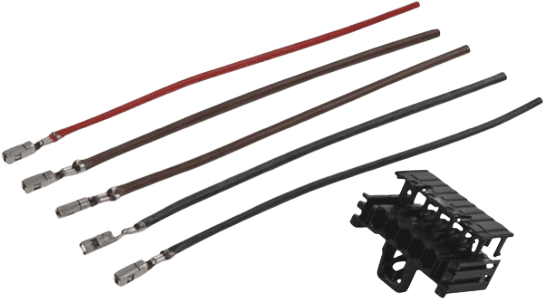
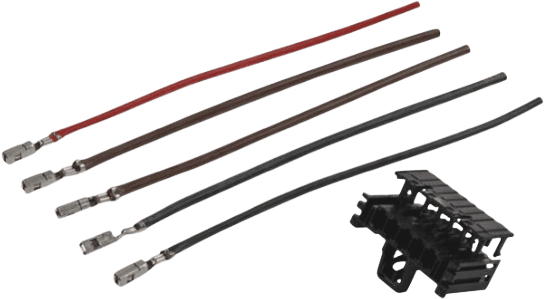
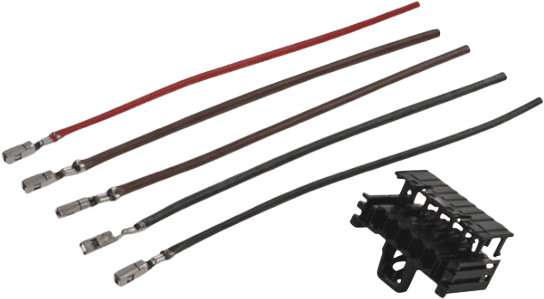
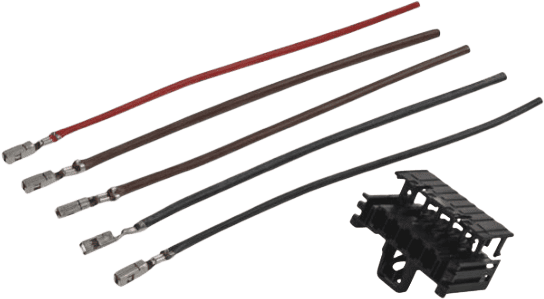
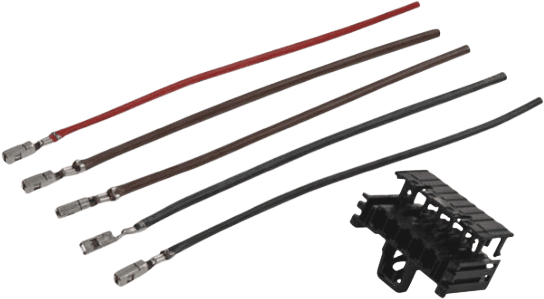
METZGER 2322022 Cable Repair Set, interior heating fan, (eng. preheat sys.)Cable Length [mm]: 100; Number of circuits: 8; Cable cross-section from [mm²]: 0,5; Cable cross-section to [mm²]: 2,5; Supplementary Article / Supplementary Info: with shrink squeeze connector; Cable insulation material: Silicone, CuSn (copper-tin); Multi-piece: two-piece; Plug Type: Female; Number of pins: 6, 2; article number of recommended accessories: 0917001; Alternative Repair Kit: 123; Construction Year from: 03/1999, 06/2001, 05/2005, 09/2007; Vehicle Equipment: for vehicles with automatic climate control; Production date to: 26.06.2007, 05.09.2007, 27.08.2007, 15.10.2000, 15.06.2001, 14.09.2007, 16.03.2007, 10.01.2008; Fabrication Number: F, K, R, W; Left-/right-hand drive vehicles: for left-hand drive vehicles, for right-hand drive vehicles; for RPO number up to: 08742, 08985, 11085; TecDoc Engine Number: 23874, 17647; Construction Year to: 05/2005, 09/2007; Vehicle Equipment Line/Trim Level: Elegance, Sport; Transmission Code: JB314,49 £*Shipping: 8,45 £Secure redirect to the provider
-
METZGER 2322002 Cable Repair Set, interior heating fan, (eng. preheat sys.)Heating/Cooling: for vehicles with factory fitted air conditioning; Number of circuits: 4; Cable Length [mm]: 100; Supplementary Article / Supplementary Info: with shrink squeeze connector; Connector Shape: angular; Cable Cross Section [mm²]: 1,5, 4; Cable insulation material: Silicone; Material: CuSn (copper-tin); Product must be determined on the vehicle or the motor: ; article number of recommended accessories: 091710825,99 £*Shipping: 8,45 £Secure redirect to the provider

-
How do I lay a LAN cable under heating pipes?
To lay a LAN cable under heating pipes, you will need to carefully plan the route of the cable to avoid any potential damage from the heat of the pipes. Start by turning off the heating system to allow the pipes to cool down. Then, carefully lift the pipes and secure them in place to create a gap for the LAN cable to be laid underneath. Once the cable is in place, ensure that it is well insulated to protect it from the heat of the pipes. Finally, turn the heating system back on and test the LAN cable to ensure it is functioning properly. **
-
How can you put heating pipes into a cable duct?
To put heating pipes into a cable duct, you will need to carefully plan and design the layout to ensure that the pipes can fit within the duct without damaging the cables. It is important to consider the size and shape of the pipes and duct, as well as any bends or turns in the duct that may affect the installation. Additionally, you will need to ensure that the heating pipes are properly insulated to prevent heat loss and potential damage to the cables. It is recommended to consult with a professional to ensure that the installation is done safely and effectively. **
-
How is the heating cable laid behind a cabinet on the exterior wall?
To lay a heating cable behind a cabinet on an exterior wall, you would first need to measure and mark the area where the cabinet will be placed. Then, you would install the heating cable according to the manufacturer's instructions, making sure to leave enough space between the cable and the wall to avoid overheating. Once the cable is in place, you can then install the cabinet over it, ensuring that there is enough ventilation to prevent overheating. It's important to follow all safety guidelines and local building codes when installing heating cables. **
-
Is there a rehab clinic with wellness offerings?
Yes, there are rehab clinics that offer wellness offerings as part of their treatment programs. These wellness offerings may include activities such as yoga, meditation, fitness classes, nutritional counseling, and holistic therapies. Integrating wellness into rehab programs can help individuals in recovery to address their physical, mental, and emotional well-being, and support their overall healing and recovery process. It is important to research and inquire about the specific wellness offerings available at different rehab clinics to find the best fit for individual needs. **

Underfloor heating or infrared heating?
Both underfloor heating and infrared heating have their own advantages and disadvantages. Underfloor heating provides a more consistent and even heat distribution throughout the room, while infrared heating is more energy-efficient and heats objects directly. The choice between the two would depend on factors such as the size of the room, the desired level of comfort, and energy efficiency goals. Ultimately, it is important to consider your specific needs and preferences when deciding between underfloor heating and infrared heating. **
Which heating system for district heating?
There are several heating systems that can be used for district heating, including: 1. Combined heat and power (CHP) plants: These plants generate both electricity and heat simultaneously, making them highly efficient for district heating systems. 2. Biomass boilers: Biomass boilers use organic materials such as wood chips or pellets to generate heat for district heating. 3. Geothermal heat pumps: Geothermal heat pumps use the heat stored in the earth to provide heating for district heating systems. 4. Waste-to-energy plants: These plants burn waste materials to generate heat for district heating, making use of otherwise discarded resources. The choice of heating system for district heating will depend on factors such as local resources, energy efficiency, and environmental considerations. **
Top-Angebote
Products related to Heating cable:
-
SenCom 503060 Cable Repair Set, interior heating fan, (eng. preheat sys.)Number of circuits: 4; Cable Length [mm]: 100; Plug Type: Shrink Connector; Connector Shape: angular; Cable cross-section from [mm²]: 1,5; Cable cross-section to [mm²]: 4,00; Cable insulation material: Silicone; Material: CuSn (copper-tin); Number of pins: 5; Number of used contacts: 4; Vehicle Equipment: for vehicles with automatic climate control14,99 £*Shipping: 8,45 £Secure redirect to the provider
-
METZGER 2322016 Cable Repair Set, interior heating fan, (eng. preheat sys.)Fitting Position: inner; Connector Shape: angular; Cable insulation material: Silicone; Supplementary Article / Supplementary Info: with shrink squeeze connector; Number of circuits: 5; Cable Length [mm]: 200; Cable cross-section from [mm²]: 1,5; Cable cross-section to [mm²]: 4; Material: CuSn (copper-tin)32,99 £*Shipping: 8,45 £Secure redirect to the provider
-
METZGER 2322022 Cable Repair Set, interior heating fan, (eng. preheat sys.)Cable Length [mm]: 100; Number of circuits: 8; Cable cross-section from [mm²]: 0,5; Cable cross-section to [mm²]: 2,5; Supplementary Article / Supplementary Info: with shrink squeeze connector; Cable insulation material: Silicone, CuSn (copper-tin); Multi-piece: two-piece; Plug Type: Female; Number of pins: 6, 2; article number of recommended accessories: 0917001; Alternative Repair Kit: 123; Construction Year from: 03/1999, 06/2001, 05/2005, 09/2007; Vehicle Equipment: for vehicles with automatic climate control; Production date to: 26.06.2007, 05.09.2007, 27.08.2007, 15.10.2000, 15.06.2001, 14.09.2007, 16.03.2007, 10.01.2008; Fabrication Number: F, K, R, W; Left-/right-hand drive vehicles: for left-hand drive vehicles, for right-hand drive vehicles; for RPO number up to: 08742, 08985, 11085; TecDoc Engine Number: 23874, 17647; Construction Year to: 05/2005, 09/2007; Vehicle Equipment Line/Trim Level: Elegance, Sport; Transmission Code: JB314,49 £*Shipping: 8,45 £Secure redirect to the provider
-
METZGER 2322002 Cable Repair Set, interior heating fan, (eng. preheat sys.)Heating/Cooling: for vehicles with factory fitted air conditioning; Number of circuits: 4; Cable Length [mm]: 100; Supplementary Article / Supplementary Info: with shrink squeeze connector; Connector Shape: angular; Cable Cross Section [mm²]: 1,5, 4; Cable insulation material: Silicone; Material: CuSn (copper-tin); Product must be determined on the vehicle or the motor: ; article number of recommended accessories: 091710825,99 £*Shipping: 8,45 £Secure redirect to the provider
-
What is a heating cable?
A heating cable is a type of electrical cable that is designed to produce heat when an electric current is passed through it. It is commonly used for applications such as floor heating, pipe freeze protection, and roof and gutter de-icing. Heating cables come in various forms, including constant wattage cables, self-regulating cables, and mineral insulated cables, each with its own specific uses and benefits. These cables are often used in residential, commercial, and industrial settings to provide localized or distributed heat in a safe and efficient manner. **
-
Can you wrap an Ethernet cable around a heating pipe?
It is not recommended to wrap an Ethernet cable around a heating pipe as the heat from the pipe could potentially damage the cable. Excessive heat can cause the cable's insulation to melt or degrade, leading to potential performance issues or even a safety hazard. It is best to avoid exposing Ethernet cables to extreme temperatures and instead run them along safe and cool pathways to ensure optimal performance and longevity. **
-
How do I lay a LAN cable under heating pipes?
To lay a LAN cable under heating pipes, you will need to carefully plan the route of the cable to avoid any potential damage from the heat of the pipes. Start by turning off the heating system to allow the pipes to cool down. Then, carefully lift the pipes and secure them in place to create a gap for the LAN cable to be laid underneath. Once the cable is in place, ensure that it is well insulated to protect it from the heat of the pipes. Finally, turn the heating system back on and test the LAN cable to ensure it is functioning properly. **
-
How can you put heating pipes into a cable duct?
To put heating pipes into a cable duct, you will need to carefully plan and design the layout to ensure that the pipes can fit within the duct without damaging the cables. It is important to consider the size and shape of the pipes and duct, as well as any bends or turns in the duct that may affect the installation. Additionally, you will need to ensure that the heating pipes are properly insulated to prevent heat loss and potential damage to the cables. It is recommended to consult with a professional to ensure that the installation is done safely and effectively. **
Similar search terms for Heating cable
-
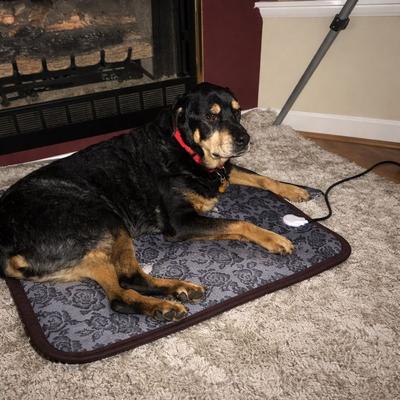
Drop Dash Deals Adjustable Pet Heating Pad For Cats & Dogs Waterproof Anti Bite Heating Mat Adjustable Pet Heating Pad For Cats & Dogs Waterproof Anti Bite Heating MatEnsure your pet stays warm and cozy during the cold weather with this 1pc Adjustable Pet Heating Pad. Designed for comfort and safety, this waterproof heating mat is ideal for senior pets, pregnant animals, or those recovering from illness....59,97 $*Shipping: 0,00 $Secure redirect to the provider
-
How is the heating cable laid behind a cabinet on the exterior wall?
To lay a heating cable behind a cabinet on an exterior wall, you would first need to measure and mark the area where the cabinet will be placed. Then, you would install the heating cable according to the manufacturer's instructions, making sure to leave enough space between the cable and the wall to avoid overheating. Once the cable is in place, you can then install the cabinet over it, ensuring that there is enough ventilation to prevent overheating. It's important to follow all safety guidelines and local building codes when installing heating cables. **
-
Is there a rehab clinic with wellness offerings?
Yes, there are rehab clinics that offer wellness offerings as part of their treatment programs. These wellness offerings may include activities such as yoga, meditation, fitness classes, nutritional counseling, and holistic therapies. Integrating wellness into rehab programs can help individuals in recovery to address their physical, mental, and emotional well-being, and support their overall healing and recovery process. It is important to research and inquire about the specific wellness offerings available at different rehab clinics to find the best fit for individual needs. **
-
Underfloor heating or infrared heating?
Both underfloor heating and infrared heating have their own advantages and disadvantages. Underfloor heating provides a more consistent and even heat distribution throughout the room, while infrared heating is more energy-efficient and heats objects directly. The choice between the two would depend on factors such as the size of the room, the desired level of comfort, and energy efficiency goals. Ultimately, it is important to consider your specific needs and preferences when deciding between underfloor heating and infrared heating. **
-
Which heating system for district heating?
There are several heating systems that can be used for district heating, including: 1. Combined heat and power (CHP) plants: These plants generate both electricity and heat simultaneously, making them highly efficient for district heating systems. 2. Biomass boilers: Biomass boilers use organic materials such as wood chips or pellets to generate heat for district heating. 3. Geothermal heat pumps: Geothermal heat pumps use the heat stored in the earth to provide heating for district heating systems. 4. Waste-to-energy plants: These plants burn waste materials to generate heat for district heating, making use of otherwise discarded resources. The choice of heating system for district heating will depend on factors such as local resources, energy efficiency, and environmental considerations. **
* All prices are inclusive of VAT and, if applicable, plus shipping costs. The offer information is based on the details provided by the respective shop and is updated through automated processes. Real-time updates do not occur, so deviations can occur in individual cases. ** Note: Parts of this content were created by AI.